Feedback Loops: The Engine of Improvement
Improvement needs a loop: attempt, observe, adjust, attempt again. When the loop is slow, learning is slow. When the loop is fast and specific, even a beginner can progress quickly.
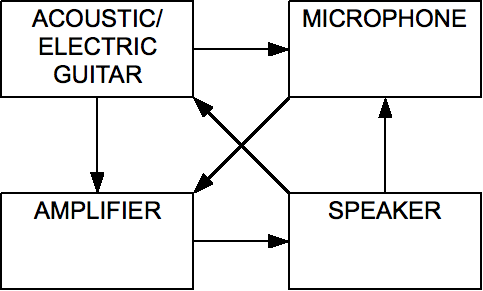
- Name what happened
- Shorten the loop
Name what happened
The observation step is where most people go vague. 'That felt off' is not feedback. 'The third paragraph repeats the first' is. Push yourself to name exactly what happened, in terms you could act on.
Good feedback sources are close to the work. Recordings show what you actually did, not what you meant to do. Checklists catch the errors you reliably make. A single trusted reviewer often beats a crowd of casual opinions.
Shorten the loop
Shorten the loop where you can. Review a paragraph right after writing it, not at the end of the month. Test a small change immediately instead of redesigning everything at once.
A note on loop speed
Systems thinking treats feedback as information returning to adjust the next action. The faster and clearer that return is, the faster a system corrects itself. In learning, this is why immediate, specific feedback outperforms delayed, general comments.